

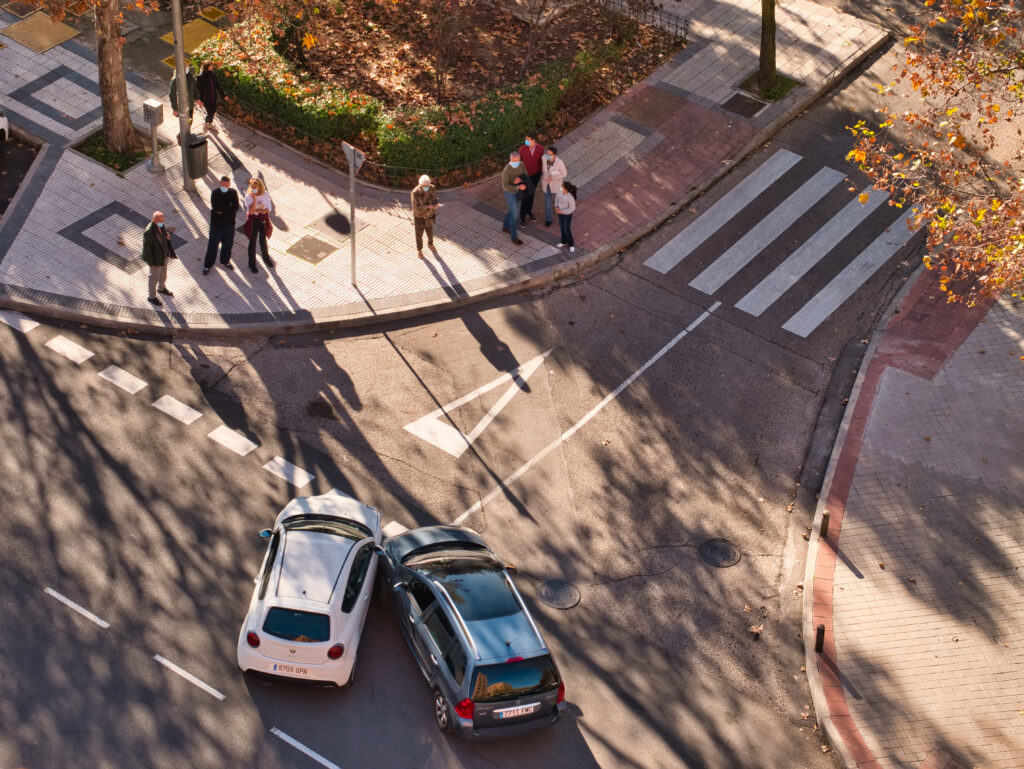
If you were hurt at a Columbia intersection and the road itself played a role, whether through confusing lane markings, a missing crosswalk, poor lighting, or a design that has caused crashes for years, you may have a legal claim that goes beyond the driver who hit you. Government entities including the City of Columbia, Richland County, and SCDOT can be held legally responsible for dangerous roads when their negligence contributed to a crash.
The Law Office of Joshua P. Golson represents injury victims throughout Columbia in car accident, pedestrian accident, and personal injury cases, including those involving government liability. Call us at (803) 284-8573 for a free case evaluation today.
Quick Answer: When Can You Sue for a Dangerous Intersection in Columbia, SC?
You can potentially sue a government entity when it had a duty to maintain or design the road safely, knew or should have known about a dangerous condition, failed to correct it, and that failure contributed to your injury. Specific notice requirements and damage caps apply, and deadlines are strict. If a roadway defect played a role in your crash, speaking with an attorney as soon as possible is critical.
Columbia's Most Dangerous Intersections and High-Crash Corridors
Columbia residents know that certain roads feel genuinely unsafe, and crash data supports that intuition. Several corridors in the city and Richland County combine high traffic volumes, poor design, inadequate signage, and infrastructure that has not kept pace with community growth.
Why Certain Columbia Roads See So Many Crashes
Dangerous roads reflect decisions, or failures to make them, about design, maintenance, lighting, and pedestrian infrastructure. When lane markings fade without being repainted, when a signal cycle is poorly timed, or when a known problem intersection goes without remediation, crashes become nearly inevitable regardless of how carefully individual drivers behave.
Two Notch Road, Broad River Road, and Other High-Risk Areas
Two Notch Road carries high volumes of commercial and commuter traffic through areas with frequent driveways and turning movements its design struggles to safely accommodate. Broad River Road presents similar challenges. Assembly Street, Garners Ferry Road, Decker Boulevard, and Bush River Road have all generated consistent crash histories at specific locations where road conditions contribute to the danger. When multiple crashes occur at the same spot over time, the pattern is evidence that the road itself is the problem.
Pedestrian and Crosswalk Dangers in Busy Columbia Intersections
Pedestrians face particular risks at intersections where crosswalk infrastructure is inadequate or absent. Missing pedestrian signals, crosswalks that are not visible to approaching drivers, and intersections where turning vehicles cannot see pedestrians in the crosswalk all contribute to crashes that government entities have both the responsibility and the authority to prevent.
When Is the Government Legally Responsible for a Roadway or Intersection Crash?
Government liability for roadway crashes arises when a public entity's negligence in designing or maintaining a road contributes to an injury. Two broad categories apply, and identifying which one fits your situation shapes how the case is built.
Dangerous Design vs. Poor Maintenance
Design defects involve the original planning and construction of the road. Inadequate sight distances, improper drainage, or lane configurations that create unreasonable conflict points may establish government liability at the design stage. Maintenance failures involve the ongoing responsibility to keep roads safe, including faded markings, broken signals, damaged guardrails, and deteriorated crosswalks. The distinction affects which standards apply and which records are most relevant to the investigation.
Who Could Be Liable: City of Columbia, Richland County, or SCDOT?
SCDOT maintains the state highway system, including primary arterial roads. The City of Columbia maintains city streets. Richland County maintains roads in unincorporated areas. In some cases more than one entity shares responsibility, and identifying the right defendant is essential. When a negligent driver, a road contractor, or a private property owner also contributed to the crash, South Carolina's comparative fault principles allow claims against multiple parties simultaneously.
How Sovereign Immunity Works in South Carolina Roadway Injury Cases
South Carolina has waived sovereign immunity for most tort claims through the Tort Claims Act, but that waiver comes with significant restrictions that are unique to claims against government entities.
What Is Sovereign Immunity and Why Does It Matter?
Sovereign immunity historically protected governments from lawsuits. The Tort Claims Act creates a path to hold government entities accountable, but with meaningful limitations on damages and strict procedural requirements that do not apply to claims against private parties.
Damage Caps and Limits in Government Liability Claims
Recovery is capped at $300,000 per person and $600,000 per occurrence under current South Carolina law, regardless of the number of defendants. All damages including medical expenses, lost wages, and pain and suffering count toward this limit. In serious injury cases with significant long-term costs, these caps are one of the most important factors in evaluating the full scope of available recovery.
Strict Notice Requirements and Filing Deadlines
Before filing a lawsuit, a claimant must provide written notice of the claim to the appropriate government body within a specific deadline. Missing this deadline permanently bars the claim, regardless of how strong the underlying facts are. This is separate from and in addition to the standard statute of limitations, and it is the primary reason early legal consultation is so important in these cases.
Investigating a Dangerous Intersection or Road Defect Claim
Building a government liability case requires a different investigative approach than a standard car accident claim. The physical characteristics of the road, the government's prior knowledge of the danger, and the history of complaints and crashes at the location are all central to establishing liability.
Using Crash Data, Photos, and Witnesses to Prove Fault
A pattern of prior crashes at the same location is among the most powerful evidence available because it establishes what the government knew and when. Crash data from SCDOT and local law enforcement documents that history. Photographs taken promptly after the crash preserve road conditions, sight lines, and markings that may be altered before litigation proceeds. Witnesses familiar with the intersection can testify about conditions over time.
Real-World Examples: How Roadway Negligence Can Turn a Minor Mistake into a Serious Crash
Consider a driver turning left at a Columbia intersection where overgrown vegetation has reduced sight lines, a condition reported to the city but never addressed. The driver does not see an oncoming vehicle until it is too late. Or a pedestrian struck on Garners Ferry Road at a location with no marked crosswalk despite regular pedestrian activity. In both cases the government's failure directly contributed to a crash that should never have occurred.
Pedestrian Accidents, Crosswalk Failures, and Government Responsibility
Pedestrian infrastructure failures are among the most preventable causes of serious injury in Columbia, and they represent a distinct and important category of government liability.
Missing or Unsafe Crosswalks in Columbia
When a location has clear evidence of regular pedestrian activity and lacks a marked crosswalk or pedestrian signal, and someone is struck there, the government's failure to provide adequate infrastructure is directly relevant to liability.
Sidewalk Gaps, Lighting Problems, and Bus Stop Hazards
Sidewalk gaps that force pedestrians into the roadway, inadequate lighting at intersections, and bus stops that require passengers to stand adjacent to traffic lanes all reflect failures that can support government liability claims when they contribute to a crash.
When a Pedestrian Accident Becomes a Government Liability Case
A Columbia pedestrian accident involving a dangerous intersection may support claims against both the driver and the government entity responsible for the dangerous conditions. Fully developing both theories requires careful investigation of the driver's conduct and the physical characteristics of the location.
What to Do After a Crash at a Dangerous Intersection or on a Defective Road
The steps you take immediately after the crash affect both your recovery and your legal options. Acting promptly is especially important in government liability cases because of the strict notice deadlines that apply.
Steps to Protect Your Health, Your Evidence, and Your Rights
- Seek medical attention immediately and follow all recommended treatment
- Photograph the scene thoroughly, including road conditions, markings, signage, and lighting
- Note specific characteristics of the road or intersection you believe contributed to the crash
- Collect witness contact information
- Report the crash to law enforcement and obtain a copy of the report
- Do not give recorded statements to any insurance company or government representative before consulting an attorney
- Call a personal injury attorney with Josh Golson Law at (803) 284-8573 as soon as possible
Why Talking to a Columbia Injury Lawyer Early Matters
Missing the government notice deadline permanently bars a claim regardless of how strong the facts are, and that deadline can arrive faster than most people expect while they are still focused on medical care and recovery. An attorney can act quickly to preserve crash records, maintenance logs, and complaint histories that establish the government's prior knowledge of the dangerous condition before those records become harder to obtain.
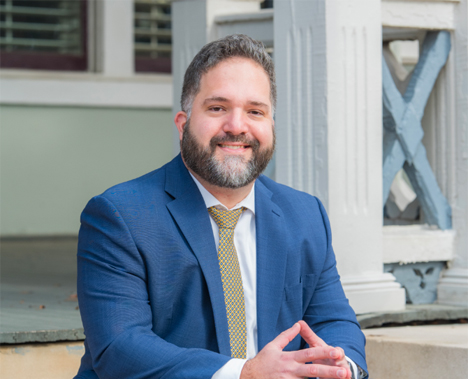
Josh Golson brings a fresh and informed perspective to these cases. Before representing injury victims, he spent years on the other side of government liability litigation, defending governmental entities and law enforcement agencies in civil actions involving state tort claims and constitutional law in both state and federal court. He understands from direct experience how government entities and their insurers evaluate and defend these claims, and he uses that knowledge to build stronger cases for the people he now represents.
What to Expect in a Free Case Evaluation With Josh Golson Law
Josh Golson was born and raised in Columbia. He went to school here, practiced law here, and built his career in these courts. When you call our office, you are talking to an attorney who knows the roads you were hurt on, understands the agencies responsible for maintaining them, and has appeared before the courts where these cases are resolved.
During your free case evaluation, Josh listens to what happened, asks specific questions about the road conditions and circumstances involved, and gives you an honest assessment of whether government liability may be a factor in your case. He explains the applicable deadlines, what the investigation would involve, and what the realistic range of outcomes looks like given the facts. There is no pressure and no obligation, just a straightforward conversation with a Columbia attorney who genuinely understands this area of law from every angle.
Frequently Asked Questions
Yes, under certain circumstances. The Tort Claims Act waives sovereign immunity but requires proper notice within a strict deadline and imposes damage caps. Whether a viable claim exists depends on the specific facts and the government's knowledge of the condition.
Both parties can be responsible. South Carolina's comparative fault principles allow claims against multiple parties whose negligence contributed to the crash.
The notice deadline under the Tort Claims Act is strict and separate from the standard statute of limitations. Contact an attorney immediately after any crash involving a government-maintained road.
Prior knowledge is one of the strongest elements in these cases. Documented complaints, prior crash records, and internal communications establishing knowledge all support the argument that the government had a duty to act and failed.
Yes. A wrongful death lawsuit can be pursued when government negligence contributes to a fatal crash, subject to the damage caps that apply to government liability claims.
No. We handle cases on a contingency fee basis, meaning no attorney fees unless we recover compensation for you.
Your injury, our battle. Contact Josh Golson Law at (803) 284-8573 to schedule your free consultation today.