

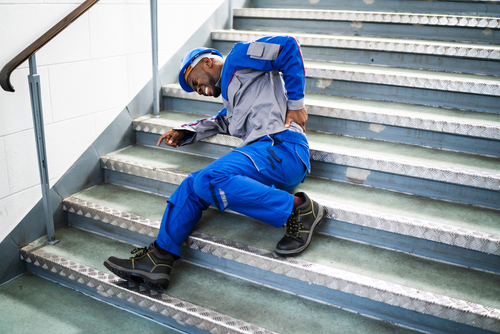
A fall at a store, restaurant, or hotel doesn’t automatically mean the business is responsible. In a South Carolina slip and fall case, the injured person generally must show that a dangerous condition existed, that the business created it or knew or should have known about it and failed to fix it, and that the condition caused the injury. The timing of the hazard, what employees knew, and what the evidence shows often decide whether a business is liable.
At the Law Office of Joshua P. Golson, we help injured South Carolinians in Columbia and across the state hold negligent businesses accountable. We give honest evaluations of each case and act quickly to preserve the evidence that matters. Contact the Law Office of Joshua P. Golson at (803) 284-8573 for a free consultation.
What a South Carolina Slip-and-Fall Claim Must Show
Businesses owe customers a duty to keep their premises reasonably safe. A slip-and-fall claim generally requires proof of five elements: the business owed you a duty of care as a customer, it breached that duty by creating or failing to address a dangerous condition, it had notice of the condition, the condition caused your fall, and you suffered real damages as a result.
Notice is often the hardest element to prove. South Carolina courts have long held that a business isn’t an insurer of its customers’ safety. In Wintersteen v. Food Lion, the South Carolina Supreme Court reaffirmed that a customer injured by a foreign substance on a store floor must show either that the business placed the substance there or that it had actual or constructive notice of it and failed to remove it.
The Court also declined to adopt broader theories, such as the “method of operation” approach some states use, that would relax this notice requirement.
Actual Notice Versus Constructive Notice
Actual notice means the business knew about the hazard, such as when an employee saw a spill, a customer reported it, or staff placed a bucket under a leak. Constructive notice means the hazard existed long enough that a reasonably careful business would have discovered and corrected it. Because constructive notice depends on how long the condition was present, timing evidence is often central. The mere fact that a substance was on the floor, or that it was within view of employees, generally isn’t enough on its own.
Examples of Dangerous Conditions in Businesses
Many conditions can contribute to a fall, including:
- Spills: Liquids or food left in aisles or near checkout areas.
- Leaks: Water dripping from coolers, freezers, or ceilings.
- Damaged flooring: Uneven, cracked, or loose tiles and boards.
- Clutter: Merchandise, boxes, or equipment left in walkways.
- Poor lighting: Dim stairways, hallways, or parking areas.
- Mats: Curled, bunched, or shifting floor mats.
- Tracked-in moisture: Rainwater carried in on shoes and carts near entrances.
None of these automatically establishes negligence. Whether a business is liable depends on how the condition arose, how long it existed, and what the business did about it. Some injuries on business property follow different rules entirely.
South Carolina generally holds dog owners strictly liable, so dog bite claims on a business’s premises are handled differently from slip-and-fall cases.
How Do You Prove the Business Knew or Should Have Known?
Proving notice usually requires evidence beyond the fall itself. Helpful evidence can include inspection and cleaning logs showing when the area was last checked, surveillance video showing how long a hazard was present, employee statements about what they saw or reported, prior complaints about the same area, and the condition of the substance itself, such as footprints, cart tracks, or dried edges suggesting it had been there for some time. Evidence that the business created the hazard, such as a leaking display it installed or an employee who spilled something, can also establish liability without separate proof of notice.
Why Surveillance Video Can Disappear Quickly
Many businesses record over surveillance footage within days or weeks. Video can show when a spill occurred, whether employees walked past it, and how the fall happened. An attorney can send a prompt preservation request to the business asking it to keep relevant footage and records, which is one of the most important early steps in a slip-and-fall case.
What if You Were Partly at Fault?
South Carolina follows modified comparative negligence. An injured person can recover compensation as long as their own negligence is not greater than the negligence of the business. Any recovery is reduced by the injured person’s percentage of fault. For example, if your damages total $100,000 and you’re found 20% at fault, you could recover $80,000. If you’re found more than 50% at fault, you generally can’t recover. Businesses often argue that a customer wasn’t watching where they were going, so fault allocation is frequently disputed.
Open-and-Obvious Arguments Are Fact-Specific
A business may argue that a hazard was so obvious that you should have seen and avoided it. Whether a condition was visible can matter, but it doesn’t end every case. Lighting, distractions such as store displays, crowding, and whether you had a reasonable alternative route can all affect how a court views the issue. These arguments depend heavily on the facts.
Evidence to Collect After a Fall
If you’re able, take these steps after a fall:
- Photograph the scene: Capture the hazard, the surrounding area, lighting, and any warning signs or the lack of them.
- Keep your footwear and clothing: Store them as they were, since they may become evidence.
- Get witness information: Collect names and phone numbers from anyone who saw the fall or the hazard.
- Report the incident: Ask a manager to complete an incident report and request a copy.
- Seek medical care: See a doctor promptly and keep all medical records and bills.
- Save location details: Keep receipts and note the store location, date, time, and where in the building you fell.
- Contact the Law Office of Joshua P. Golson: Call (803) 284-8573 so we can request surveillance footage and other records before they’re lost.
Damages That May Be Available
Depending on your injuries, damages in a slip-and-fall case may include medical expenses, lost income, reduced earning capacity, pain and suffering, physical disability or impairment, and future medical care. Falls can cause fractures, head injuries, back injuries, and torn ligaments that require extended treatment. The value of a claim depends on the injuries, the evidence of fault, and the applicable insurance coverage.
Deadlines and Special Defendants
Under the South Carolina Code of Laws, most personal injury lawsuits must be filed within three years of the injury. Claims against government entities, such as a fall in a state or county building, fall under the South Carolina Tort Claims Act, which has its own procedures, deadlines, and limits on damages.
Because these rules can significantly change how a claim must be handled, any potential deadline should be confirmed with an attorney as early as possible.
Contact the Law Office of Joshua P. Golson After a Fall
Joshua P. Golson was born and raised in Columbia, and he brings an unusual perspective to premises liability cases. After years as an Assistant Solicitor with the Fifth Circuit Solicitor’s Office, he spent several years defending governmental entities in civil litigation, including tort claims. That experience on the other side of injury cases gives him a clear view of how defense lawyers and insurers evaluate notice, comparative fault, and open-and-obvious arguments, and how to build a slip and fall claim that stands up to them.
Since 2023, Josh has focused his practice on helping individuals and families harmed by negligence, including premises liability cases. When you contact our office, we are here to listen to what happened, give you an honest assessment of your case, and move quickly to request surveillance footage, inspection logs, and other records before they disappear.
Contact the Law Office of Joshua P. Golson at (803) 284-8573 for a free consultation.
Frequently Asked Questions
Is a store automatically liable if I fall inside it?
No. South Carolina businesses aren’t insurers of their customers’ safety. You generally must show that the business created the dangerous condition or had actual or constructive notice of it and failed to fix it, and that the condition caused your injuries.
Should I fill out the store’s incident report?
It’s often a good idea to report the fall, but keep your statements factual and brief. Describe what happened without guessing about causes or blaming yourself, and ask for a copy of the report if possible.
What if there were no warning cones or signs?
The absence of warnings may be relevant evidence, but it doesn’t prove the whole claim by itself. You’ll still generally need to show the business knew or should have known about the hazard and that it caused your fall.